
Are all cryptocurrencies mined
Past price trends are not indicative of future price trends and are not intended to be a proxy for historical or projected future performance of any specific artwork or Masterworks shares https://realitypms.com/. Also, our materials may present comparisons between the historical price performance of a segment of the art market and other investment asset classes, such as stocks, bonds, real estate, and others. There are important differences between art and other asset classes. For more information, see important disclosures.
How coins are created and distributed is another significant difference between cryptocurrency platforms. As the cryptocurrency that started it all, Bitcoin’s standard is the one all others are measured against. The Bitcoin code only allows for a total of 21 million coins. That’s it. When the last of them is mined, there will be no more.
Digital currencies are simply money in the digital form. You can decode the digital currency vs cryptocurrency debate by learning the fundamentals of digital currencies. You cannot store digital currency in your wallets like physical currency, such as coins and cash. As the name implies, digital currencies are completely online, and you can access them or use them for transactions only on computers or mobile devices.

Are all cryptocurrencies based on blockchain
The main pros of DAG networks have to do with mining. Because no mining takes place, there are no mining fees associated with making DAG transactions. Seeing how block rewards are falling, mining fees are bound to rise in order to incentivize miners to continue mining. In that respect, a system that would eliminate mining fees altogether looks promising for the future.
All digital assets, including cryptocurrencies, are based on blockchain technology. Decentralized finance (DeFi) is a group of applications in cryptocurrency or blockchain designed to replace current financial intermediaries with smart contract-based services. Like blockchain, DeFi applications are decentralized, meaning that anyone who has access to an application has control over any changes or additions made to it. This means that users potentially have more direct control over their money.
What are Bitcoins used for? Bitcoins can be used to buy merchandise anonymously. In addition, international payments are easy and cheap because bitcoins are not tied to any country or subject to regulation. Small businesses may like them because there are no credit card fees. Some people just buy bitcoins as an investment, hoping that they’ll go up in value.
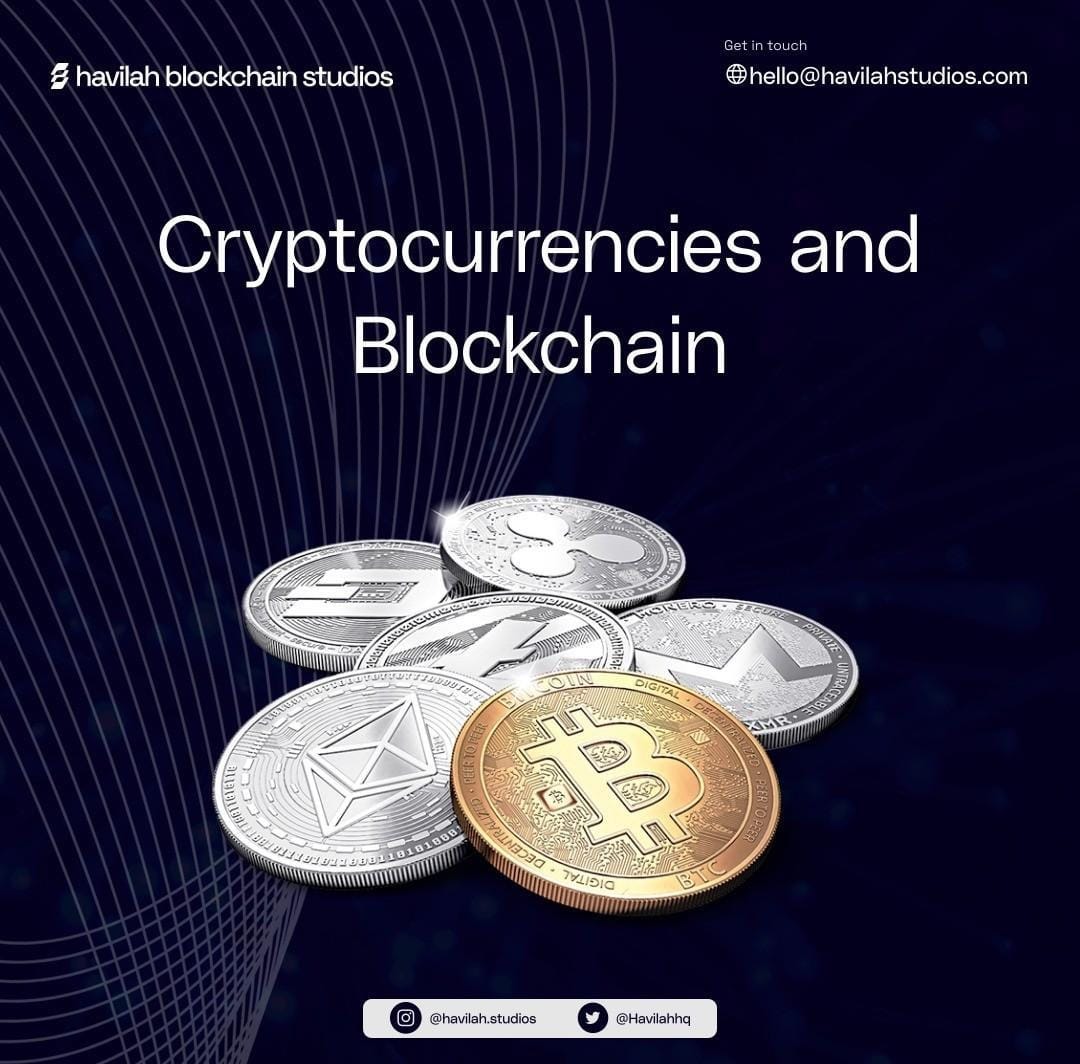
The main pros of DAG networks have to do with mining. Because no mining takes place, there are no mining fees associated with making DAG transactions. Seeing how block rewards are falling, mining fees are bound to rise in order to incentivize miners to continue mining. In that respect, a system that would eliminate mining fees altogether looks promising for the future.
All digital assets, including cryptocurrencies, are based on blockchain technology. Decentralized finance (DeFi) is a group of applications in cryptocurrency or blockchain designed to replace current financial intermediaries with smart contract-based services. Like blockchain, DeFi applications are decentralized, meaning that anyone who has access to an application has control over any changes or additions made to it. This means that users potentially have more direct control over their money.
All the cryptocurrencies
A coin refers to cryptocurrencies and tokens, digital assets created and managed on blockchain networks. A cryptocurrency, also known as ‘crypto,’ is a digital currency that uses cryptography for security and operates on a decentralized blockchain network. Cryptocurrencies are native coins of their respective blockchains used to pay transaction fees and facilitate transactions within that network. Examples of cryptocurrencies include Bitcoin (BTC) and Ethereum (ETH).
A token is a digital asset created on an existing blockchain platform. They represent various types of assets or utilities. Tokens are not native to the blockchain they’re built on and can include utility tokens, security tokens, or non-fungible tokens (NFTs). Examples of tokens are Uniswap (UNI), Binance Coin (BNB) and Chainlink (LINK).
In our list of all cryptocurrencies, you’ll find the latest information on the most popular digital assets like Bitcoin, Ethereum, and thousands of other coins. We have included the coin name, current price, 24h change, market cap, circulating supply, and 24h volume. View the full list of all active cryptocurrencies below.